Märkische Forschungen
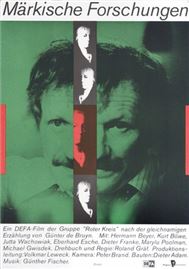
Infos
1981
Sprache(OV): deutsch
Regie: Roland Gräf
Darsteller: Hermann Beyer, Jutta Wachowiak, Kurt Böwe
96 min
Trailer ansehen

DEFA - LITERATUR | 35mm
---> nach: Erzählung von Günter de Bruyn 1981
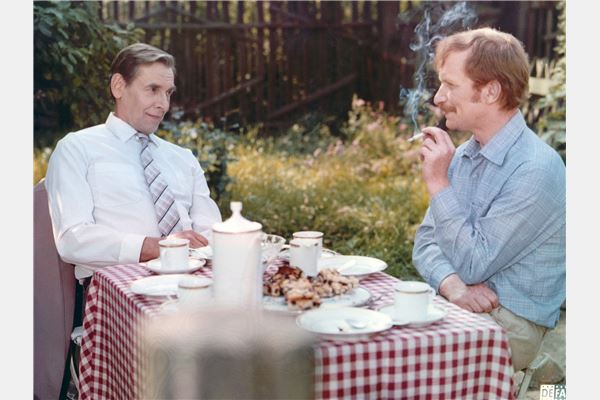
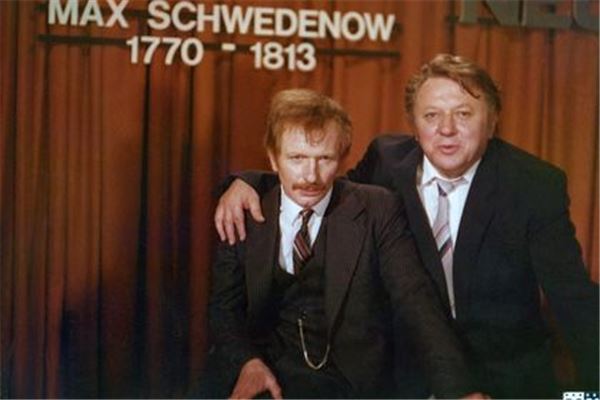
Der angesehene Berliner Professor Winfried Menzel hat einen vergessenen märkischen Dichter, Max von Schwedenow, wiederentdeckt.
Bei einer Reise trifft er den Landlehrer Pötsch und muss überrascht feststellen, dass der ebenfalls auf Schwedenows Spuren forscht und beinahe mehr weiß als er selbst.
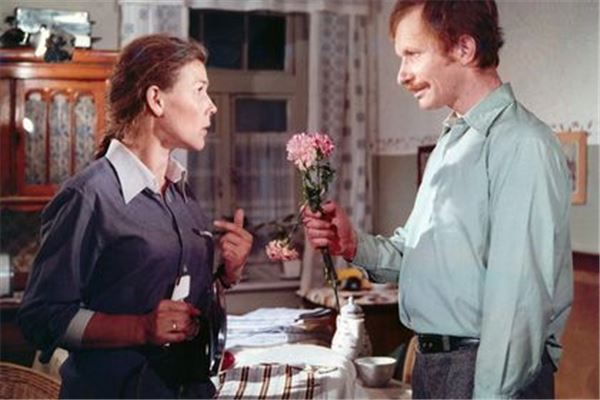
Er bietet Pötsch eine Zusammenarbeit nebst Assistentenstelle in Berlin an. Pötsch ist begeistert. Bei seiner Forschung stößt er auf Ergebnisse, die das revolutionäre Bild, das Menzel von Schwedenow gezeichnet hat, infrage stellen.
Er hat entdeckt, dass der in seiner Jugend progressive Schwedenow später als reaktionärer Zensor der preußischen Regierung gearbeitet hat - unter anderem Namen. Menzel will, dass Pötsch das ignoriert, um sein eigenes Werk nicht zu gefährden.
Als Pötsch darauf beharrt, nutzt Menzel seine Position, um ihn zu Fall zu bringen. Pötsch sucht weiter wie ein Besessener nach dem letzten Beweis.
© DEFA Stiftung
© DEFA Stiftung
© DEFA Stiftung
© DEFA Stiftung
© DEFA Stiftung
(Quelle: Das zweite Leben der Filmstadt Babelsberg. DEFA-Spielfilme 1946-1992)
Auszeichnungen
2. Nationales Spielfilmfestival der DDR Karl-Marx-Stadt (1982): Preis für Szenographie - Dieter Adam
2. Nationales Spielfilmfestival der DDR Karl-Marx-Stadt (1982): Schauspielerpreis - Kurt Böwe
2. Nationales Spielfilmfestival der DDR Karl-Marx-Stadt (1982): Preis des Filmclubs (Der Findling) für den wirkungsvollsten Film
2. Nationales Spielfilmfestival der DDR Karl-Marx-Stadt (1982): Schauspielerpreis - Hermann Beyer
Plot: On a forest road in the Brandenburg March, village teacher Potsch accidentally encounters the distinguished Professor Menzel, who got stuck there in his car. In the conversation that ensues, Menzel and Pötsch quickly discover that they both are great admirers of the early 19th-century writer Max von Schwedenow who was born in the area. Menzel believes finally to have found a co-worker and fellow-combatant for his research; he offers Potsch an assistant professorship. The teacher is delighted and feels honoured by the understanding and kindness of the renowned scholar. Full of hope, he looks forward to entirely new life circumstances linked to his new area of work. However; the more deeply Pötsch gets involved in his research on the March writer; the more he discovers that Max von Schweden ow in fact had been an extremely progressive author in his youth, but later he became a renegade and traitor to his previous principles. However, the aim of Menzel's research is a one-sidedly positive image of the writer. If Pötsch now publicized his discoveries, Menzel's work would not only be questioned, but would not be worth a penny. The professor; who has power and connections, discards his irksome assistant. Source: Progress Film-Verleih