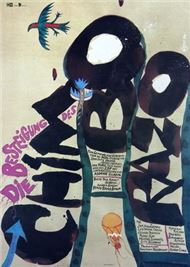
Die Besteigung des Chimborazo
 Filmgespräch
 am 9.12. um 19:00 Uhr
Einführung und Filmgespräch mit der Dramaturgin Christina Schmidt.
Ticket kaufen
|
Mi 09.12. 19:00 Uhr Kino 1
(dF) |
Infos
Ecuador 1989
Sprachen(OV): deutsch, polnisch
Regie: Rainer Simon
Drehbuch: Alejandro Santillàn, Erika Richter, Paul Kanut Schäfer
Darsteller: Götz Schubert, Jan Josef Liefers, Monika Lennartz
96 min
Trailer ansehen
IMDb (english)

DEFA - LITERATUR | 35mm
---> nach: Über zwei Versuche den Chimborazo zu besteigen, Erzählung von Alexander von Humboldt 1837
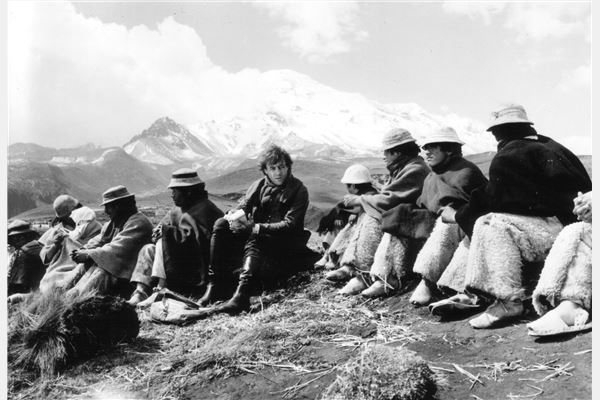
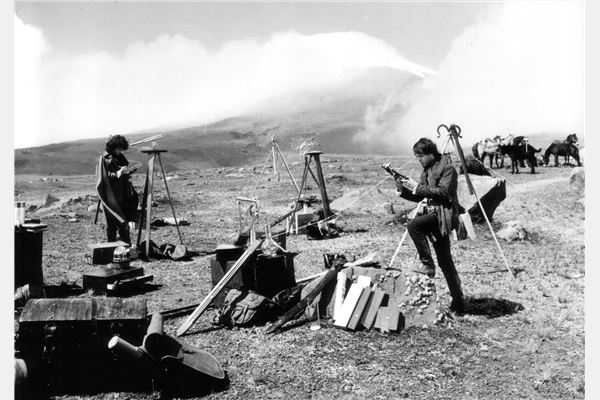
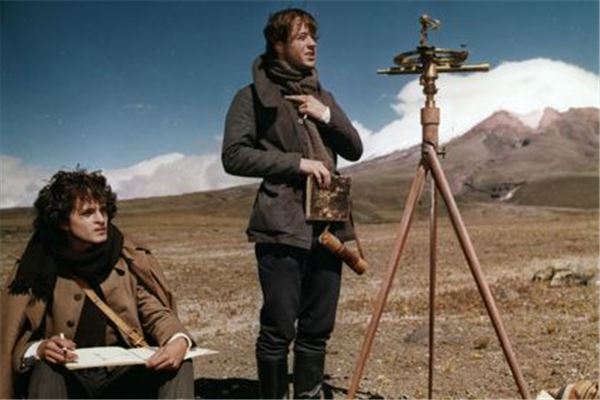
Südamerika im Jahr 1802. Der 32-jährige Alexander von Humboldt geht mit seinen Gefährten das Wagnis ein, den mehr als 5.000 Meter hohen Berg Chimborazo zu besteigen.
Eine solch tollkühne Expedition wagte niemand vor ihm.
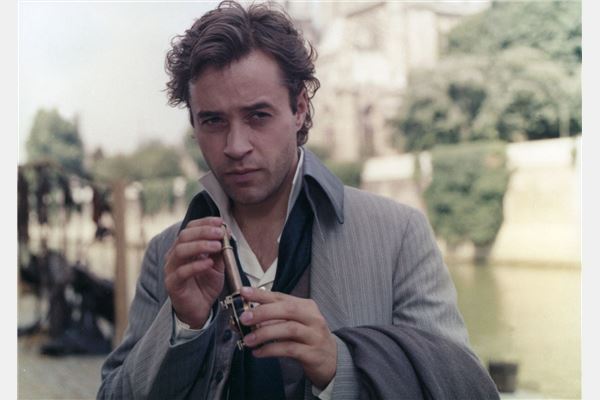
Bereits der Weg zum Fuße des Berges war für den Wissenschaftler beschwerlich: Früh träumte Humboldt vom Aufbruch in ein neues Leben, musste sich loslösen vom strengen, preußischen Elternhaus und von der vorgezeichneten Beamtenkarriere.
In diesem Umfeld begann er homoerotische Freundschaften zu pflegen und trieb seine naturwissenschaftlichen Forschungen mit schmerzhaften Selbstexperimenten voran.
© DEFA Stiftung
© DEFA Stiftung
© DEFA Stiftung
© DEFA Stiftung
© DEFA Stiftung
Die Maxime seines Lebens: Das scheinbar Unmögliche überwinden.
Auszeichnungen
10. Internationales Festival für Spielfilme mit Natur- und Umweltthematik auf Teneriffa (1991): Spezialpreis der Jury
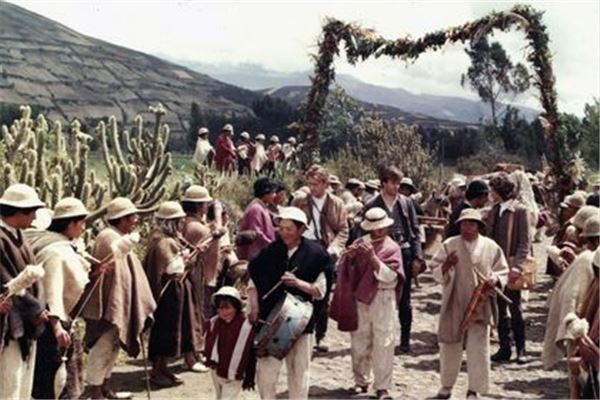
Plot: At the age of about thirty, Alexander von Humboldt finally finds himself on the other side of the earth in South America. Together with the French botanist and doctor Aimé Bonpland, the Creole aristocrat Carlos Montufar and an entire caravan of Indians and animals, he breaks camp at a hacienda in the Andes to climb Chimborazo, the highest mountain in the area (6,267 metres), which has never been climbed before. During this difficult journey Humboldt examines, measures and compares plants and animals, the earth, water and the air. Most important are the Indians who accompany him, who carry out the hard work, through whose villages his caravan travels and in whose huts he and his entourage stay overnight. Humboldt becomes acquainted with their way of life and culture so different to the European; he is completely unprejudiced, encountering all of this with inquisitiveness, interest and respect. On the way to Chimborazo, flashbacks tell us how the young Alexander von Humboldt passionately held on to his dream of escaping from the confines of his strict Prussian home to discover the world. We learn how he imaginatively and boldly carried out his own plan in spite of his mother's wish that he become a high-ranking civil servant in the Prussian state, went against the demands of the Prussian court and even overcame his own personal weaknesses to get where he is now. We observe how a young man makes a second discovery of America and how, true to the French Revolution tenets of freedom, equality and brotherliness, he accepted the underprivileged, scorned world of the Indians as a human culture and a way of life on equal footing with any other. (source: 40. Internationale Filmfestspiele Berlin 1990 Dokumentation)